Bangladesh Bank Reference Rate API for Accounting, Invoicing & Compliance
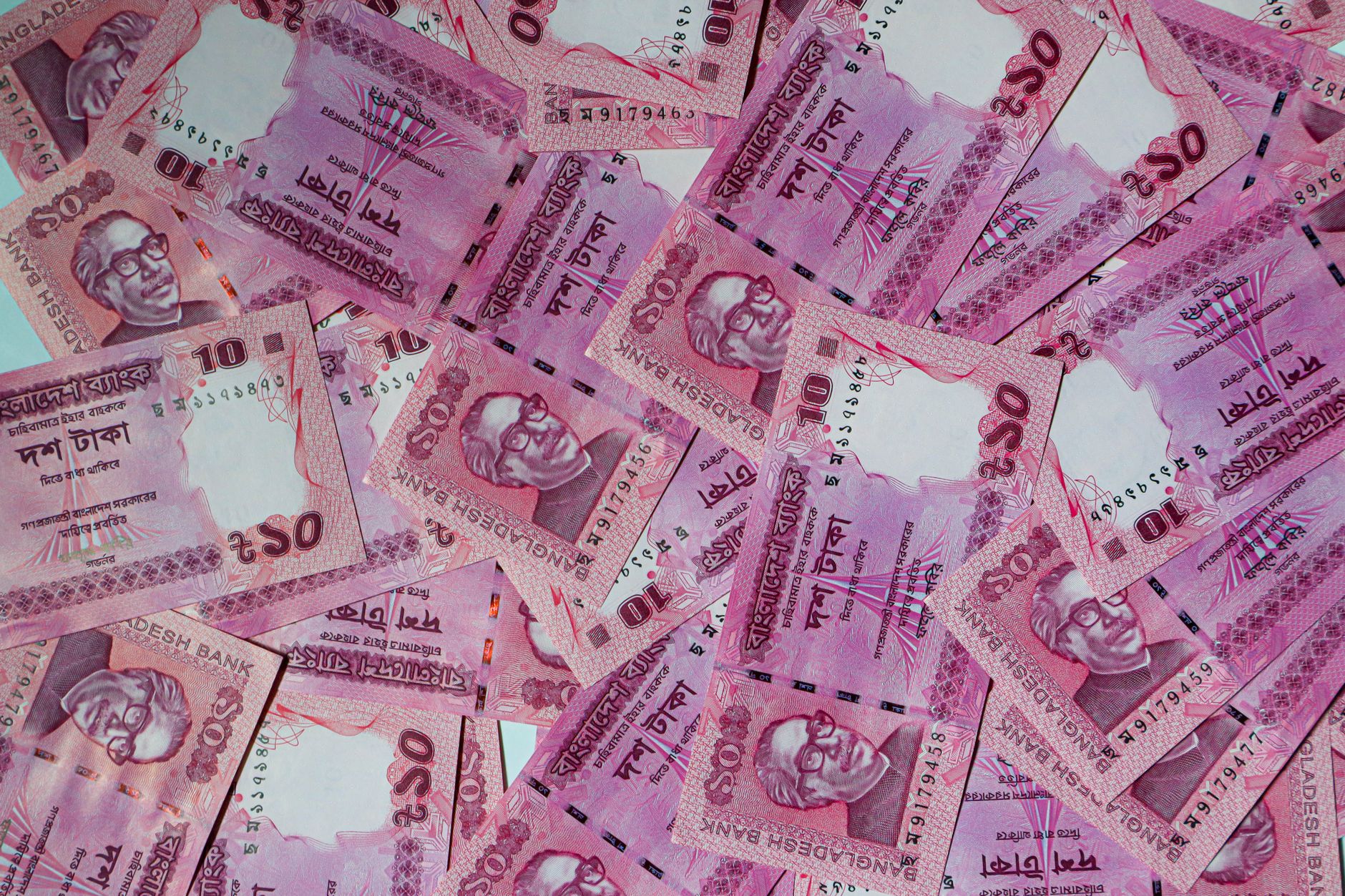
If your business invoices, imports, or reports in a currency other than the BDT, sooner or later someone will ask which rate you used — and “the one on the internet that day” is not an answer that survives an audit. For that, you want the official number: Bangladesh Bank’s published Exchange Rate of Taka (interbank bid, ask and weighted average).
What is the Bangladesh Bank Exchange Rate of Taka (interbank bid, ask and weighted average)?
Bangladesh Bank, the central bank of Bangladesh, publishes the Exchange Rate of Taka each business day: the highest and lowest interbank USD/BDT rates at the Dhaka close together with the weighted average rate of the day’s interbank deals, plus taka cross rates for ten more currencies. The rate is determined by interbank supply and demand rather than an administered fixing, and it is the reference Bangladeshi banks, importers and auditors convert at.
It is published once every business day, currently covering 11 currencies, and the published record runs back to 2010. Crucially it is a published figure, not a live market price — it does not move after it is set, which is exactly the property an accountant or an auditor needs.
Bangladeshi import LCs, customs assessment and statutory accounts convert at the interbank taka rates Bangladesh Bank publishes, with the weighted average rate (WAR) as the day’s single official number.
Why finance teams need the official rate
Book closing and month end
Foreign-currency balances have to be translated at a defensible rate on a specific date. Using a live market rate means the number changes depending on what minute you pulled it, and two people closing the same month can produce two different sets of books. The central bank’s published rate for that date is fixed and reproducible forever.
FX gain and loss
Revaluing receivables and payables needs the rate at invoice date and the rate at settlement date. Both have to come from the same series, or the gain and loss you report is partly an artefact of switching data sources mid-stream.
Audits and compliance
An auditor does not want a screenshot. They want a rate that traces back to a named publisher and a publication date they can independently check against Bangladesh Bank’s own release. That is the entire reason official rates exist.
Management reporting
Group reporting across entities only consolidates cleanly when every entity converts at the same published rate for the same date. Left to their own devices, subsidiaries will each pick a different source.
The problem with collecting the rate by hand
Bangladesh Bank publishes the data — but publishing and being easy to consume are different things. In practice teams end up copying figures off the bank’s rates page into a spreadsheet every morning, which creates four familiar problems:
- It is manual, so it gets skipped. Someone is on leave, a day gets missed, and the gap is only discovered at close.
- Typos are invisible. A transposed digit in a rate looks exactly like a correct rate until the variance shows up somewhere else entirely.
- History is awkward. Restating a prior period, or answering an auditor about a shipment from two years ago, means digging through archives rather than making one query.
- Non-publication days trip people up. Weekends and public holidays have no rate at all, and every team invents its own rule about what to use instead — usually without writing it down.
The Bangladesh Bank rates as an API
AllRatesToday ingests Bangladesh Bank’s published table shortly after each release and serves it back in a consistent shape, alongside 118 other central banks and national tax authorities on identical endpoints.
- Official figures, unmodified — served with Bangladesh Bank’s own publication date on every response.
- 11 currencies against the BDT.
- History back to 2010 — query any past date, or pull a full time series.
- Honest holiday handling — non-publication dates resolve to the most recent published table and say so, rather than silently interpolating.
- Formats finance actually uses — JSON, CSV, XML and genuine Excel workbooks, so it lands in a spreadsheet, Power BI or an ERP without a conversion step.
- Published vs derived is labelled — a pair Bangladesh Bank did not print itself is computed from its table and flagged, never passed off as an official quote.
Sample response
A real response for USD to BDT, from Bangladesh Bank’s publication of 2026-09-08:
{
  "bank": "bb",
  "rate_date": "2026-09-08",
  "source": "USD",
  "target": "BDT",
  "rate": 122.79,
  "rate_type": "reference",
  "derived": false
}
The rate_date is the central bank’s own publication date — the date you cite in the ledger — and derived tells you whether Bangladesh Bank printed this pair itself.
Who this is for
- Exporters and importers converting invoices and customs values at a rate that has to hold up later.
- Finance and accounting teams closing books across currencies.
- Auditors and advisors who need to reproduce a client’s conversion months after the fact.
- ERP, accounting and invoicing platforms that need an official rate feed their own customers can defend.
- Fintech and payments teams that price on market rates but must report on official ones.
What it actually saves
- Time — no one copies rates into a spreadsheet every morning again.
- Accuracy — the figure is whatever Bangladesh Bank published, with no retyping in between.
- Audit risk — every number carries its publication date, so “where did this come from?” has an answer.
- Consistency — every entity, report and invoice converts from the same series.
Getting started
- Create a free account — 300 requests a month, no card.
- Call
/api/v1/central-bank/bb/latest, or download the table as Excel from the Bangladesh Bank coverage page. - Wire it into your close, your invoicing, or a scheduled spreadsheet refresh.
Developers who want the endpoints, SDK and code samples should read the Bangladesh Bank API guide instead — this page is the business case; that one is the integration.
FAQ
Where do Bangladesh Bank exchange rates come from in this API?
Directly from Bangladesh Bank's own published Exchange Rate of Taka (interbank bid, ask and weighted average). Rates are stored unmodified with the central bank's publication date attached, so the figure in your ledger is the figure Bangladesh Bank printed, going back to 2010.
Can I get the Bangladesh Bank rate for a past date, like an invoice or shipment date?
Yes. Ask for any past date and you get the rate in force then, back to 2010. If the central bank did not publish that day — a weekend or a public holiday — the API returns the most recent published table and flags that it did, so your audit trail stays honest instead of silently guessing.
Do I need a developer to use this?
Not necessarily. Every coverage page offers the latest published table as an Excel or CSV download, and finance teams commonly pull the API straight into Excel, Power BI or their ERP on a schedule. A developer helps if you want it wired into invoicing or your accounting system automatically.
Final thought
Official rates are not a nicer version of market rates — they answer a different question. Market data tells you what a currency is worth right now. Bangladesh Bank’s published table tells you what rate your books, your customs entries and your auditor are entitled to expect for a given date. Getting that second number automatically, with its publication date attached, removes an entire category of month-end argument.
Official Bangladesh Bank rates, automated
Free tier: 300 requests a month, no credit card.
Get your free API key